
There are many ways in today’s day and age that people can manipulate and doctor images/visuals to make them seem different from what they originally intended. Photographers and editors can composite more than one image together to make it look like something different happened in the photo than what happened in real life. Things such as, more people can be added to a visual to make it look more populated, people’s hair and skin can be made to look completely different or absolutely perfection-ate, but to me the worst deadly skin, is slimming or edited someones body image in any way.
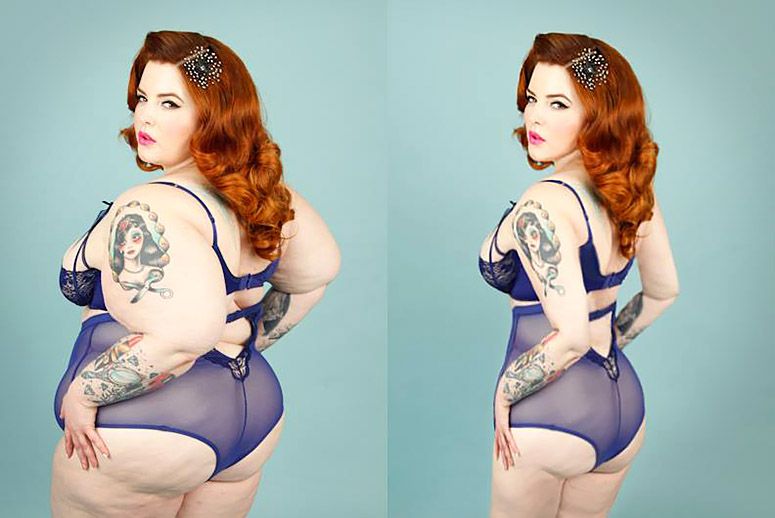
It’s been done many times before, where a famous, usually female, actress, musician or model has a photo or video taken of her and then it gets posted looking completely different. Usually it’s a thinner waist, thinner arms and thinner face structure. It’s also the reason why so many young girls today have such a poor idea of what “the perfect body” should look like. In CNET’s Pictures That Lie, gallery they showed multiple examples of magazine covers and article headers that had slimmed or digitally replaced the body of a women, including Katie Couric and Oprah.
On the other hand, one step in a good direction was when Getty banned images of any models that have ever been digitally altered. “The company has made a concerted effort to change the way women and other marginalized communities are represented in media and advertising” over the past few years” (Enochs).
It was well known to people that Getty didn’t change their policy out of the goodness of their hearts, but instead because France had created a law that did not allow any digitally altered photos to be used in french publication and Getty wanted to make sure their photos would still be used, but it still helped.
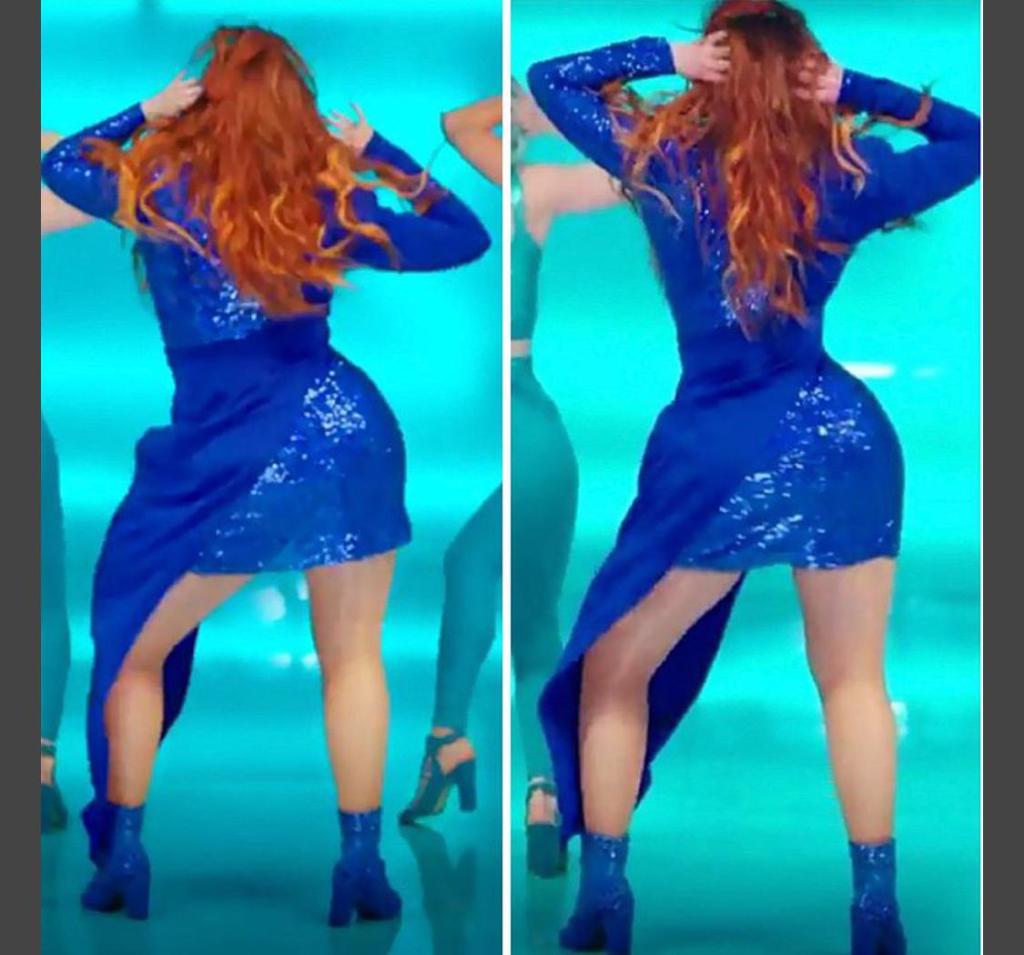
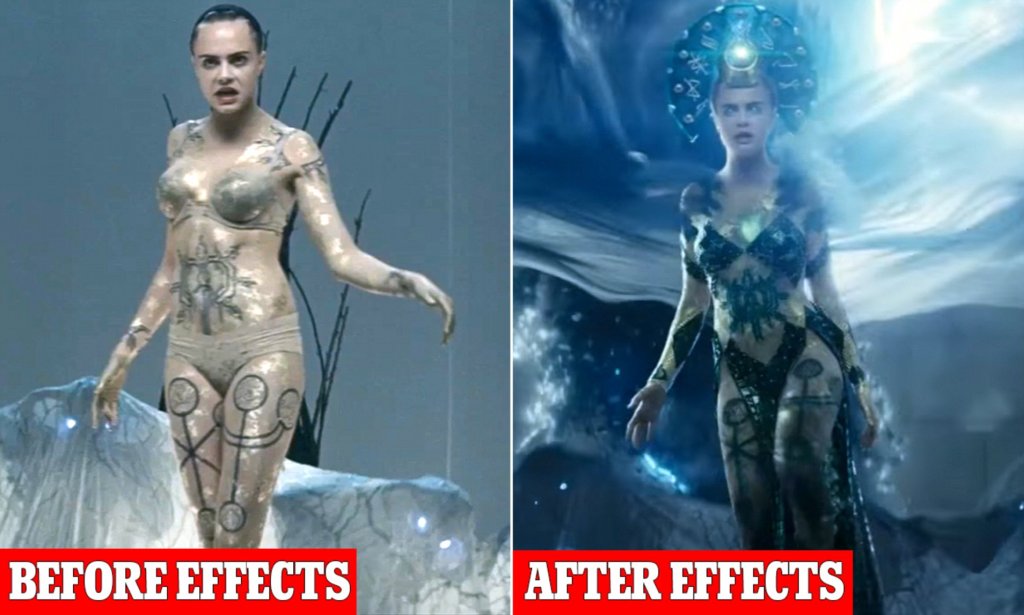
In recent years, less and less blatant alteration has been shared publicly but it still happens. Cara Delevigne in 2015 was digitally slimmed in the “Suicide Squad” film and Meghan Trainer was digitally slimmed in her own music video “Me Too” with out her consent. The whole idea of changing someones body image is just wrong and it’s entirely non-ethical. You are painting the wrong picture of the person or people being displayed and you are painting the wrong idea of body positivity.
 taylorsniffen.com