After spending the week following the story of Disney World reopening I found that social media was a great way to get all the info about the event and surprisingly most of the posts that I came across were extremely factual and had other links. These links lead to full articles and more credible sources like CNN, Fox and the actual Disney World social pages. Fortunately this story was posted all over the place. After looking it up once on both my Twitter and Facebook accounts it was all that came up on my feed. Then I would go over to my Instagram and even my Tik Tok account where people were posting videos about how excited they were to go back and most of my friends’ stories on Instagram we’re re-posting the verified Walt Disney World posts about the re-opening.
The entire event started on Monday and Tuesday with people talking about how Disney was set to present to the Orange County board in Florida about their reopening plan. It then moved into talking about phase two of Disney Springs opening up, since about a week earlier, WDW Disney Springs opened back up after COVID-19 and they were moving forward successfully with the second part of it’s re-opening. After this, on Wednesday, Disney presented it’s plans and social media went crazy. Not only were all the news stations and Disney bloggers posting but everyone was commenting or re-posting with either their excitement or hesitation.
The biggest difference I saw in the posts was that the news articles posted on twitter seemed to have far more retweets and likes versus the Disney blog posts I was seeing on Facebook. One tweet posted by CNN had over 908 retweets and almost 2,600 likes at the time. Then comparing these to the memes and opinionated tweets and posts which had far less shares and way more comments with either people agreeing or disagreeing with their opinions. One meme on twitter had over 1.2 million views on the video attached to it, but only 133 retweets.
Overall I think this event was perfect for social media. The information being shared was pretty straight forward that it was easy to figure out what was fake news and what wasn’t and because so many different news sources and people were posting and re-sharing you could easily fact check. Plus there was an original source that was posting verified information, which was the official Disney World Facebook and Twitter accounts. Yes, many people had their opinions about Disney reopening amidst COVID-19, but for the most part they weren’t posting fake news they were just commenting about how they personally felt.
Disney World Reopening
Facebook
Twitter
Pictures
Tuesday 5/26
The Disney Blog called Disney Tips began posting about Disney submitting their plans. At first I was hesitant to believe just this blog because didn’t have very many likes, comments or shares, but then further down in my feed more news sources were posting similar articles.
On twitter everyone from WBRC, CNN, Fox and ABC7 was posting about the plans being submitted and linking to Disney World’s verified accounts.
Wednesday 5/27
In the morning Disney presented to the Orange County board and right after that the breaking news began. I found Facebook to be a little slower then twitter when it came to the breaking news, but again the Disney Tops blog began posting about the reopening plans and more of the people I followed began to re-post Disney’s post and react with their excitement.
Twitter on the other hand was on the money with breaking news. News stations were tweeting immediately with all the bullet points that come with the new reopening plans and linking to WDW’s website and official social media accounts.
Thursday 5/28
Because I had been clicking on Disney Tips’s posts for the past two days Facebook made sure that it was the top thing on my feed everyday for the rest of the week. Now after the initial info of the parks being allowed to reopen more of the secondary info began getting shared. For example what the future holds for annual pass holders during the reopen and a pause on resort reservations due to a quota being hit.
Twitter was the same revealing more info about exactly how the park will open. Like the Magic Kingdom and Animal Kingdom opening on July 11th, Hollywood Studios and Epcot don’t open until July 15. Twitter news sites also started talking about which resorts surrounding the parks will be allowed to open and which ones won’t and why. Most of these tweets had external links and more for you to click on.
Friday 5/29
On top of Disney Tips blog, I found the the Disney Dining blog on Facebook and found that while it’s info was technically correct the blog and it’s posts were confusing and also didn’t have a lot of shares and likes so I went over to twitter to see if the news sites could confirm what the blogs were saying.
ON twitter I was able to confirm what the blogs were saying about restaurant reservations being difficult for new guests during the reopening, but this was also when I saw the biggest influx of Disney reopening memes. Thankfully they were so outrageous and commercial that was easy to see that there was no fact and only opinion to them.
Saturday 5/30
Final day, blogs continuing to talk about all the small things guests will have to do in order to abide by corona virus rules and how difficult reservations and booking is being for people.
Twitter began to talk about the news updates Disney made due to the rioting and protesting occurring all over the country after the murder of George Floyd. The protests affected Disney Springs, the only part of the park that is currently open. They decided to keep their guests safe to close earlier.
You read about it every day. Social media and technology are destroying communication and creating desensitized and unfocused kids. In reality, social media hasn’t destroyed communication it’s just changed it. In Clay Shirky’s TED Talk about social media making history he focuses on three major changes social media has made and even though he spoke back in 2009, these three major changes are still evolving today.
“We’re starting to see a media landscape in which innovation is happening everywhere and moving from one spot to another. That is a huge transformation.” (Shirky).
He said this 11 years ago and the biggest difference today is that we’re no longer “starting” to see innovation in the media landscape, it’s all we see. Content creators, influencers and brand representatives are a constant on every social media platform feed.
The first major change Shirky talked about was how the internet and social media have allowed for large groups to connect and talk to other large groups.
“The Internet is the first medium in history that has native support for groups and conversation at the same time. Whereas the phone gave us the one-to-one pattern, and television, radio, magazines, books, gave us the one-to-many pattern, the Internet gives us the many-to-many pattern. For the first time, media is natively good at supporting these kinds of conversations,” (Shirky)
Today’s social media landscape is completely monopolized by group to group contact. Snapchat, Instagram, Facebook and now even Tik Tok allow for you to not only share your opinions with the world, but you can also create exclusive group chats and message boards to share things between specific people. In 2020 everyone can have a voice, and everyone can share it everywhere.
This group communication is a fantastic way of sharing for the most part, but at times surrounding yourself with like-minded people who have the same view and opinion on things as you can also warp your perspective and prevent you from seeing the whole picture. Facebook and Pew have both conducted research and found that social media can change the way people think.
“Pew found that 20 percent of survey respondents say social media has altered their position on a political issue and 17 percent say it has changed their view of a specific candidate” while “Facebook released its own study last year that showed its users have five friends with political views similar to their own for every one friend with opposing views.” (Overly)
It’s insane to think that just a couple of apps can change the things we like and the people we idolize so easily.
“The second big change is that, as all media gets digitized, the Internet also becomes the mode of carriage for all other media, meaning that phone calls migrate to the Internet, magazines migrate to the Internet, movies migrate to the Internet. And that means that every medium is right next door to every other medium.” (Shirky)
Back in 2009 Shirky was describing the shift in news and info from paper to digital and the abundance of apps that were being created to easily share this information. Now in 2020, everyone has a phone that gives constant updates and can access any kind of media, like magazines, news, movies, television and more at any time.
“The third big change is that members of the former audience, as Dan Gilmore calls them, can now also be producers and not consumers. Every time a new consumer joins this media landscape a new producer joins as well, because the same equipment — phones, computers — let you consume and produce.” (Shirky)
Shirky’s final point is that there are no longer only producers and professionals making content – it’s everyone. In 2009, YouTube was only 4 years old and creators were just starting to be a thing, but now content is popping up everywhere. The cameras on phones have just as an amazing quality, if not better than expensive film cameras. Anyone can have access to editing software and specifically right now, in a time where almost everyone has been stuck inside for so long people need an easy and accessible outlet to create and express themselves and for most people – it’s social media.
“In a world where media is global, social, ubiquitous and cheap, in a world of media where the former audience are now increasingly full participants, in that world, media is less and less often about crafting a single message to be consumed by individuals. It is more and more often a way of creating an environment for convening and supporting groups.” (Shirky)
Another big part of social media’s mass attraction is that it has actually changed the way humans behave. In the video “The Science Behind Social Media Addiction”, they talk about how at this point most of society is so consumed by social media that at times it could be acting like a drug for us. The immediate pleasure we get from our followers liking or commenting on our posts releases enough dopamine that people can actually become addicted to that feeling and never want to leave.
So, it’s easy to see Shirky’s point that social media has made history. It’s physically changed the way humans behave, it’s wormed its way into almost every facet of society and in many industries like public relations and entertainment it’s one of the most crucial aspects.
It’s clear to anyone that many things have changed since Shiky’s TED Talk in 2009, but one thing remains the same and Shirky sums it up perfectly in his final statement. “The question we all face now is, “How can we make best use of this media? Even though it means changing the way we’ve always done it.”(Shirky)
We’re still asking ourselves this same thing 11 years later. How can we make a universal ability to share and connect beneficial and not harmful? And today with the corona virus we’ve seen it pushed to its limits with trying to connect people and share things with separated friends and family. And in this pandemic, there have been many things that made quarantine and life a little happier in these dark times, but so much of social media’s limits are still unknown. That’s why we have twitter trolls and haters and comment wars. There’s no way to police all of it… yet. But social media is still evolving and is nowhere near finished making history.
How writing for the ear, differs from writing for the eyes.
When you’re reading an article, digital or hard copy, and you don’t understand a piece of it you can pause and re-read over the section multiple times. You can sound out the letters and say the words over and over until your brain eventually understands what it’s looking at. But when your audience can only listen to what is being said, many times complex words or sentence syntax becomes impossible to comprehend. No matter how many times they replay the recording it still goes over their head because they can’t actually see the words.
This is why writing particularly for the ear is important because it is different than writing for the eyes.
Vocabulary and Syntax
When writing for the ear using everyday language and simple words is the best way to keep listeners interested and attentive. When you’re writing a paper, you’re told to speak formally and write with the best adjectives and verbs you know. For example, if I was writing a sentence for an article about a sunny day, I would say… “It was a gorgeous sunny Sunday, the birds were chirping, the grass was a perfect shamrock green, and the smell of the freshly cut grass wafted through the air.” But writing for an auditory experience would change how it was written. First, I would put it in the active voice, and I would use contractions like, “It’s a”. The next step would be to lessen the use of wordy adjectives and sophisticated vocabulary. In the end the sentence would sound something like, “It’s a beautiful Sunday morning, the birds are chirping, the grass is a lovely bright green and it’s freshly cut smell floats through the air.” This new sentence written for the ear uses a lesser amount of words with less complexity to them. “Shamrock green” and “wafted” might slip right by a listener since they’re not used commonly in everyday conversation.
Voicing and Diction
Other ways to aid writing for the ear, are the use of sound effects and specific voicing and enunciation. When writing for the eyes you aren’t given the opportunity to read your work aloud for the audience, but when writing for the ear you can actually read your work exactly how you want it to be heard. You can stress specific syllables or words in a sentence and add emotion to written dialogue. In RTDNA’s article about writing for the ear, they speak highly of using your voice to convey the story. “Your intonation, inflection, and emphasis appropriately place the listener in the room with you. Your voice should reflect the mood of the piece. If a basketball championship game has been won, you can shout above screaming fans. If you are reporting from the scene of a candlelight vigil, whisper as you describe the way mourners are swaying while softly singing.”
Overall, when writing for the ear thinking about word choice, syntax, voicing and setting the sense, using compelling interviews, sound effects and music is important. Shorter words and shorter sentences in the active voice, allow listeners to stay interested and fully understand what’s being said.
Whether you’re writing for the ear or the eyes, you want to accomplish the same thing … tell a compelling story, but each form of storytelling contains different characteristics. If you remember to execute these characteristics for the different media outlets, then you can achieve excellence in both forms.
The best practices in language, style and content for a business document in the professional world.
Writing for business and writing for personal purposes are two completely different things. In any kind of medium or length there are differences in the style, format and tone of the overall composition. When writing a business email, white paper, blog or memo the author must take into consideration their intended audience, the goal of the writing and design of the paper.
The online university, Purdue, states, “Business writing is action-oriented, rhetorical, and user-centered. It aims to effect positive change, through both persuasive and informative strategies.” This need for the writing to “effect change” is probably the biggest difference between personal and business writing.
So far, in the class we have compared blogs, written longform narratives and personal professional biographies. Each piece gave us the opportunity to add our own personality in it with a heavy use of the word “I” as we expressed our styles. This included using quotes from friends and family and using simple vocabulary that were improper at times because it added to the story. We also had a lot of freedom when it came to the composition of the final piece. The graphics, the titles, and the sub headers.
The tone of a business piece is very important. The way the author conveys their tone is the equivalent to how they would speak in person. When writing for a personal purpose the tone could be whatever you want, but in business the author wants to always try to sound “confident, courteous, and sincere”. When writing in business, you don’t always know who is going to read it. It could be your boss, their boss, your co-workers or even your competition, so making sure the tone of your paper sets you up to be confident, kind and well educated is important.
Another very important part is the overall composition or “look” of the writing. In personal writing almost any type of artwork or style choice is fair game, but in business writing a clean and organized paper with only relevant artwork/media is necessary.
Purdue states a very similar thing about the design of a document. “A clean, correct, and professional-looking document portrays you as professional. Effective document design increases the usability and persuasiveness of your communication and highlights important information,” In business, people are trying to get something from your writing. If the piece is disorganized or too heavy with text, it’s going to deter readers and ultimately effect your productivity in the workplace.
Both personal and business writing need strong introductions, a clear focus, good grammar, but overall, they are different. Personal writing has a lot more creative freedom. Business writing needs to be clear to everyone who reads it so the company can accomplish their goals. The most important aspect of writing for business is to have a professional, clean and concise document that displays the best side of you as an employee.
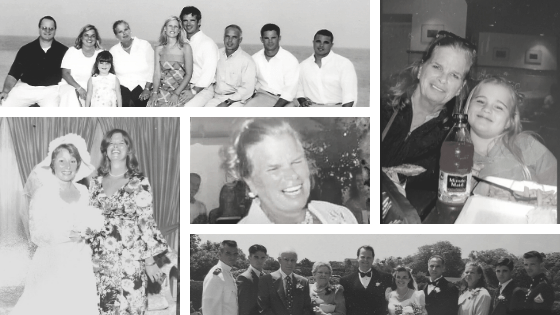
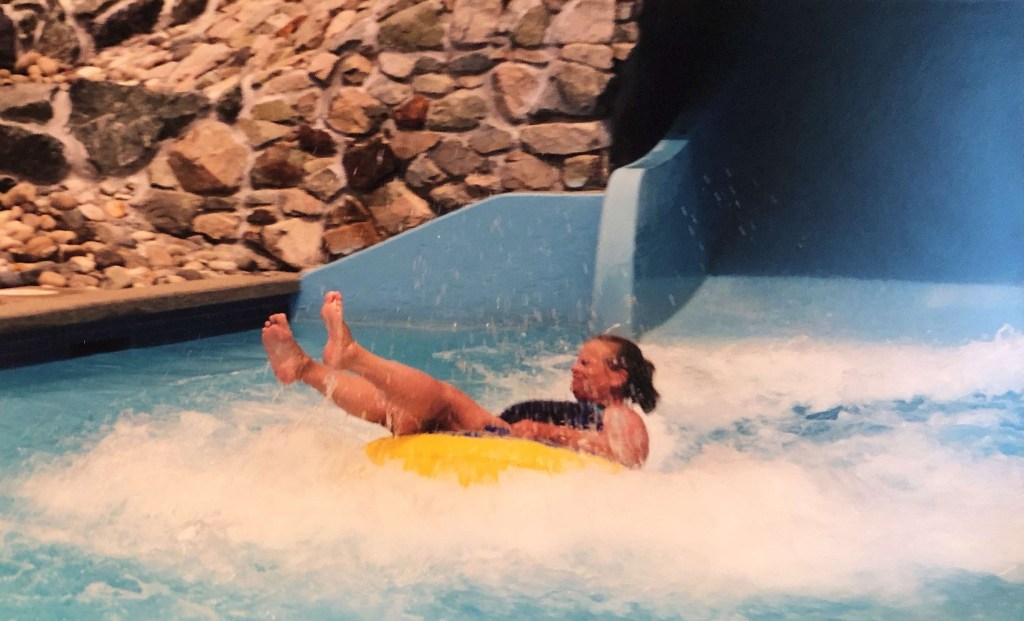
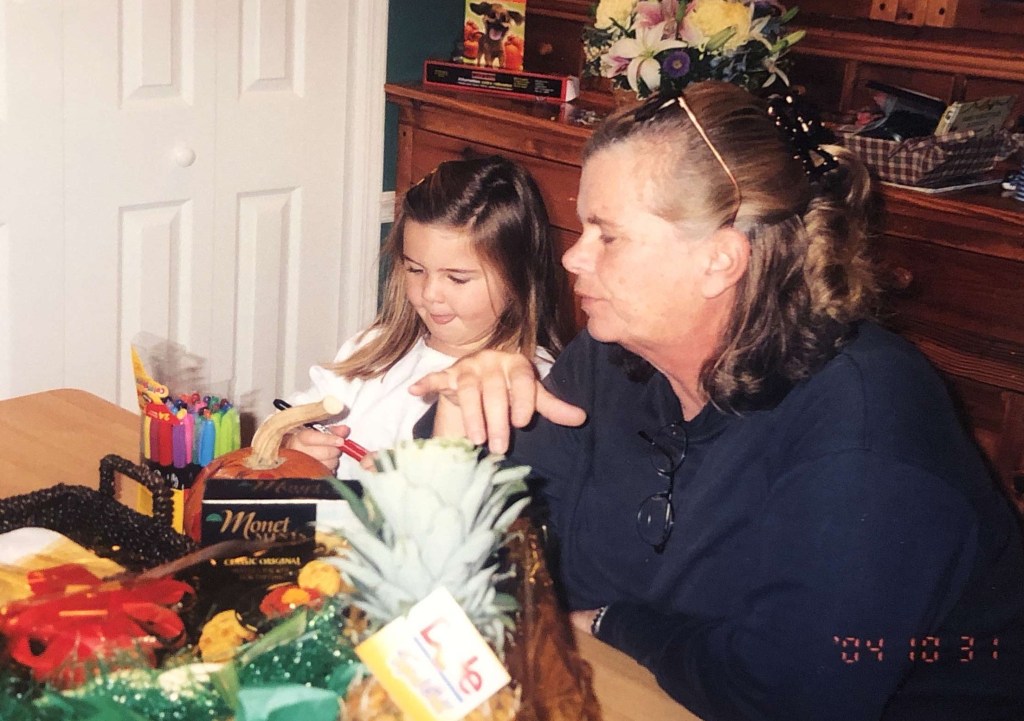
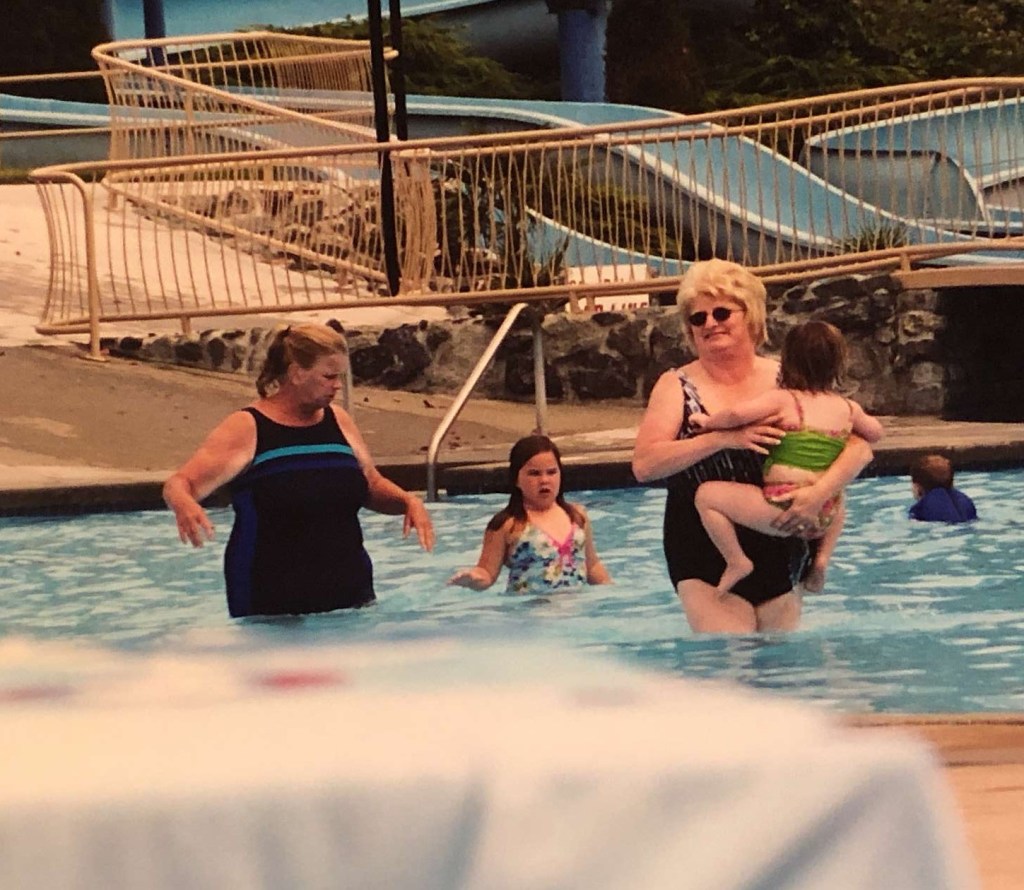
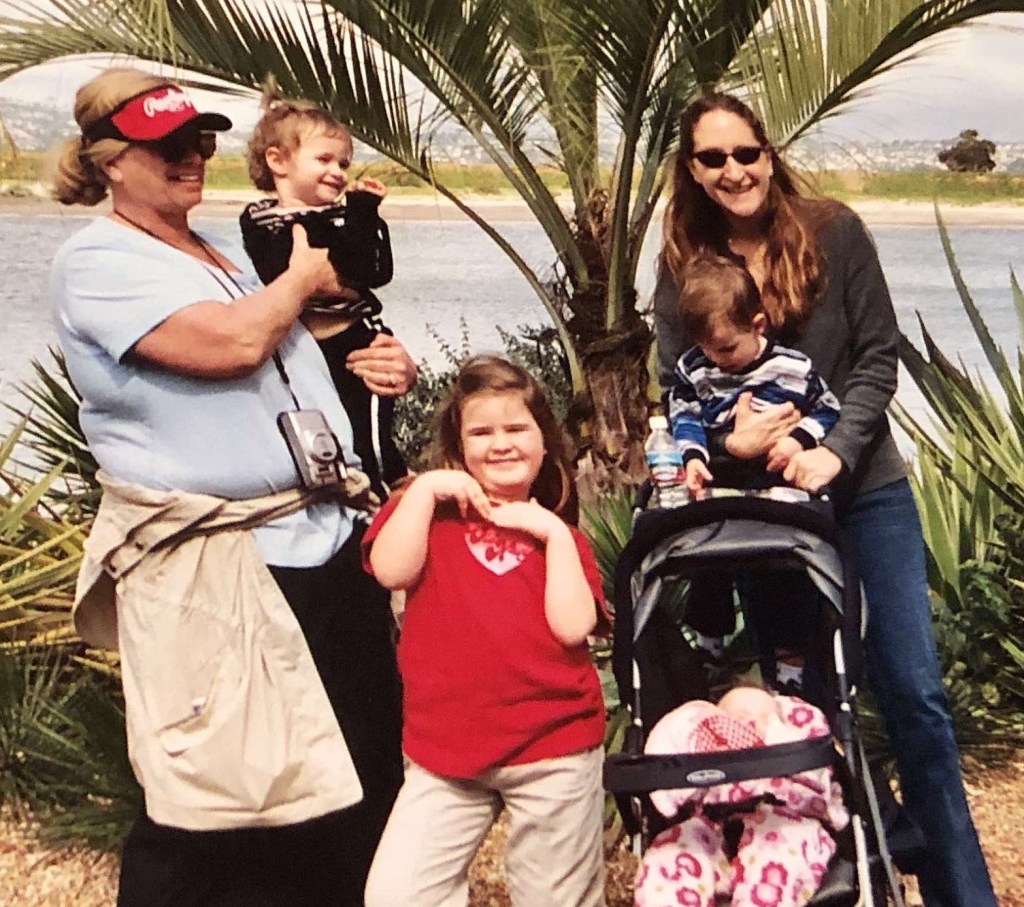
Photos of my grandmother throughout her life. Always smiling and always with family.
As a child, I went over to my grandparents’ house multiple times a week. They lived right down the street, so it was really easy to get there. There were always more desserts in their house than mine and I got to stay up late, so it was usually my favorite place. My favorite memories from that house though, were the Saturday night sleepovers. I got to hang out and watch grown up movies like Star Wars and Lord of the Rings with my grandfather, which is why I have such a love for film now a days. But the best part of the sleepovers was when I got to cook, with the best chef in the world, my grandmother, Mommom. She was a wiz in the kitchen. She could cook and bake anything. On Saturday nights we would make homemade personal pizza and even though she used to knock my hands with the wooden spoon every time I spread the sauce on too thick, it was so much fun. I would decorate the pizzas with pepperoni smiley faces and use strips of pepper for the eyebrows. After that we would always bake a fun dessert, whether it was her famous banana bars, apple pie, which was my grandfather’s favorite, or my personal favorite her lemon bars. Then in the morning we made homemade pancake crepes. Her pancakes were always fluffy and soft, unlike my mom’s which have always been thin and crunchy. We would fill them with melted chocolate and strawberries, or apple slices, brown sugar and cinnamon. My grandmother never got mad at me when I made a mess or a mistake. She would just calmly smile and teach me how to fix it.
Everything from baking tricks, to tailoring your own clothing, to healthcare tips and stain removal, she had a remedy for it. Baking soda for stains, the world’s best homemade tea for a sore throat, she taught me how to sow and patch my own clothing and even reupholster furniture. She’s the reason why today I feel like I can handle any obstacle thrown in my path.
She’s the woman who was able to raise her 5 brothers, 5 children, 11 grandchildren, battled breast cancer and ALS, while still graduating from college and holding a successful career in teaching for over 25 years.
Unfortunately, after all that fighting, teaching, cooking and caring, she lost her battle to ALS and passed away this past October. And while the family she held together was left heartbroken and upset, we all know that thanks to the strength and determination she instilled in all of us we’ll be okay.
Bonnie didn’t become a strong and powerful woman overnight. She lived a long and arduous life that sculptured her into the unwavering grandmother I knew and loved.
Helen Elizabeth Kelly, or as she grew up being called “Bonnie”, was born on April 13, 1948 in Deal, New Jersey. Deal’s a small-town right by the shore, with just a few streets of houses, an elementary school, a police station and one main road with a few shops on it. She was the only girl of 6 and the middle child. There were her older brother’s John and Kevin and her younger brothers Chris, Mark and Brendan. Thanks to my grandmothers love for family I became very close with all of her brothers, my great uncles, except Kevin. He sadly passed away right as I was born from pancreatic cancer. The three that are still alive today, Brendan, Mark and Chris, still attend all the birthday parties and holiday gatherings the family has throughout the year.
As Bonnie continued to grow up she acted more as a second mother to all of her brothers rather than a sister and after completing high school at Red Bank Catholic and having an all-star basketball career there, she was offered a full scholarship to Cabrini College to play on their women’s basketball team.
Unfortunately, after the first year at school, my grandmother’s first major obstacle in life hit like a tidal wave, and with that wave everything she considered important at the time was swept away. Her mother passed away from breast cancer when she was only 18, so she had to move back home to take care of her brothers. At that time, her youngest brother was only 10 so they still needed a nurturing figure in their lives.
When her youngest brother Brendan looks back on those years, he’s still astonished that she gave up so much for them. “I mean honestly, I don’t know how I would have survived without her. At the time you have to think it was around 1966 so our father was a working man. He didn’t cook or clean or know who to be both a mother and a father to 6 kids, so that became Bonnie’s job. And she did it for years, even after she met Ralph, she was still there helping us. She didn’t complain or get upset, she just did it.”
Mommom at the Waterpark in Canada. (left) – Mommom and I in Canada visiting her best friend, Sue. (right)
Throughout my childhood I used to ask Mommom why she came back and why she didn’t just stay at school with her friends, and she would explained to me, that even though this wasn’t how she envisioned her life as a little girl, coming home and taking care of her family was the most important thing to her. She always said that being a mother to her brothers did help her realize that she had a true passion and skill for working with children.
So, after being back home and raising her brothers for about a year she went back to school, this time closer to home at Monmouth University in West Long Branch, which is about two towns over from Deal. She finished the year out and received her Associates degree. While she was going to Monmouth, she also met my grandfather Ralph Delia and within two years they were married and by the age of 21 my grandmother was pregnant with my mother, Carrie.
After she had my mom, Bonnie stayed at home and my grandfather went to work as a carpenter. Four years later they had their second child, Ralph Jr. and then another tragedy struck, my grandmother’s father died, of pancreatic cancer. Two years after that they had their third child, Bryan and when my mother was 10, they had their youngest two kids, twins, Michael and Kevin. Throughout all of their childhoods my grandmother stayed home with them. They were very poor and barely made ends meet, but that’s what forced her to learn all of her tricks for tailoring things yourself, home remedies for sicknesses and cheaper ways to cook and bake. Bonnie would buy bread and lunch meat and the go in and cut it even thinner to create more slices and all of the youngest boys’ clothes were hammy downs from the older boys. My mom was the only one with her own room since she was the only girl and the 4 boys lived all together in the other bedroom. My uncles and my mother also played sports constantly to stay out of trouble. So, my grandmother would drive them everywhere, patch up their jerseys after every game, and thrift their equipment. Nothing was ever new in that house. Nowadays, most people don’t think of a stay at home mom as a superhero. It’s more normal for women to be both a mom and hold a job, but in that family if my grandmother could keep her kids’ routines running smoothly then she was performing a miracle.
My oldest uncle, Ralph Jr., explains it best when he talks about how insane it was for my grandmother as a Mom. “We were psychopaths. The other parents in town used to call us the Delia Mafia. We were a group of young reckless boys who just constantly wanted to get into trouble. But your mother, (as in my grandmother’s oldest, Carrie) was no saint either. This one time we were trying to take the plastic wrapping off this carpet we had found and because she’s half blind and a klutz she missed and stabbed the knife through my thigh. She started freaking out, but Mom, (as in Bonnie) heard her screaming, came into the room, saw the knife in my thigh and calmly wrapped a towel around my leg, tied it tight and carried me into the car and drove me right to the hospital, like it was no big thing.”
Honestly for that family it wasn’t an abnormal thing taking a trip to the ER. My Uncle Bryan once drilled a screw halfway through his hand before he realized it wasn’t the wood. My Uncle Michael threw my Uncle Kevin down the stairs and he smashed right through the glass of the front door, and my mother, Carrie, once dumped a boiling hot pot of grease on herself. Each time my grandmother just dealt with it, she didn’t flip or call 911, she just went into her draws and got out some magical thing she owned and solved the problem. By the time the boys had grown up my grandmother could stitch up cuts by herself and reset broken bones.
When my mother finally went off to college, the rest of the boys were old enough to be self-sufficient, so my grandmother took a part time job at the middle school in town. She was a lunch attendant for the kids and for those few years she did the job perfectly, but then the school terminated the position, thankfully the students loved her so much the school kept her and hired her as a part-time substitute.
At this point my mom was out of college and had met my father and all of my uncles were either going into college, high school or the military, so they didn’t really need Mommom around 24/7. My grandmother loved the job, so she became full-time substitute and teachers-aid. She loved the imagination of the younger kids, so she typically taught in classes with Pre-schoolers up to 8th grade, but nothing older.
As she continued to teach, she also joined the Ladies Auxiliary in Deal to support the fire department that all of her brothers were members in and helped my grandfather out at the Elks Club, with bake sales and team dinners for her sons’ baseball teams. A few years later, while she was teaching, another obstacle fell in her path. One day she felt something strange on her chest and since her mother had passed away from Breast cancer, she went to have it checked out immediately. At the time the doctor told her that she only had the markers for breast cancer, but there was no actual tumor yet. From that day on she always said, she waited for the day she was told she had cancer, the irony was that that day never came. Instead worse news was delivered.
Photo’s of my grandmother and I swimming, crafting and vacationing in California when I was younger.
In spring of 2016, we received the news that she had been diagnosed with environmental ALS or amyotrophic lateral sclerosis. It’s a genetic nervous system disease that slowly degrades muscles in the whole body until they just stop working. A few notable people that have had ALS were Lou Gehrig, Stephen Hawking and the bassist from Toto, Mike Porcaro and as of today there is still no cure.
With the news of her diagnosis and knowing there was no cure, it became a question of how long? How long did my great uncles have with their sister? How long did my mother and her brothers have with their mom? How long did my 10 cousins and I have with our grandma?
My mother, being the oldest, became her primary caretaker. She went to the doctors with her the most and was heartbroken.
“You’re just never ready for that kind of news,” said Carrie, “Obviously I knew they were both getting older and they weren’t going to be around forever, but to hear that there is an end date to her life in the near future, is just gut wrenching.”
I vividly remember the day my mom came home and told me the outcome of Mommom’s test. I was definitely upset, but just like my grandmother taught me, I didn’t want to dwell on it. She would always say, “you just have to take what you get and move on”. Which is exactly what she did. Even with this life-threatening news nothing stopped her. She still did everything she had done before. Come Christmas time she still made all the cookies and Christmas candy. She still wrapped presents for everyone’s birthdays. She still made hand painted eggs for Easter, made Valentine’s Day goodie bags for all the grandkids and cooked corn beef and cabbage for St. Patrick’s Day.
As the years passed and she grew weaker, she still didn’t stop these traditions, she just needed more help.
Her last Christmas with us, I was 19 at the time and my sister, who was 13, and my twin cousins, both 15, all went over to her house to help get the baking and gift wrapping done. My sister, Kelly, and one of the twins, Audrey, were in charge of baking the different kinds of cookies. The family favorites were, peanut butter, snickerdoodle, Italian snowball and pizzellas. The other twin, Michael, can’t cook or bake to save his life, so he was in charge of wrapping and labeling gifts. And I was with Mommom. We were in charge of making different kinds of potato candies, peanut butter and chocolate, cookies and cream, and coconut. It’s a bittersweet memory. My cousins and I love being together, making a mess and testing all the sweets, but watching Mommom struggle to lift even a spatula was hard. Of course, it didn’t stop her. At one point she tried to lift a pan of cookies out of the oven and right before they all fell to the ground, I grabbed the pan with my bare hands. Obviously, I burned myself, but I couldn’t even be mad at her. You had to give the woman props for being so persistent.
I recently asked my sister Kelly if she remembered that day and she laughed and said, “Yeah, that was the day we discovered that you’re so bad at making potato candy that even without the full use of her arms or legs, Mommom did a better job than you.”
It was true, even while suffering from ALS my grandmother could still bake circles around us, she was that good. And even though many people might find what my sister said to be a bit tasteless in light of the seriousness of the disease, that too was how Mommom made light of any situation. When I used to bring her to her appointments, she would crack jokes with the nurses or make subtle comments under her breathe about a person’s fashion choices just to make me laugh. She wanted to make me feel more comfortable even though she was the one getting stuck with needles.
In October of this past year, when I received the call at school that she had passed away, I wasn’t immediately upset that she was gone. I was mad I didn’t get to say goodbye. I was mad I didn’t get to thank her for every single thing she taught me and show her how much of my life has been shaped by her. But just as she would have done, I picked my head up, wiped away the tears and carried on with my day. Another unforgettable thing she’s say was “there is no sense in getting upset and complaining over something you can’t change.”
When I went home for the funeral, I helped my mom pick out the pictures for the memory boards at the wake and I began to look back at her life through these photos. While my mom looked at them and cried, I saw them and thought of the massive legacy my grandmother leaves behind. She was a true matriarch. She helped raise over three generations of children and for almost 25 years looked after kids everyday of her life. She taught me and my cousins invaluable lessons on life and love and how to handle any problem. But most importantly, she created an unbreakable family bond.
No matter the holiday or random family celebration there is always a gathering of 50 to 60 people, half the time I can’t even tell you how I’m related to them. They’ve just always been there all my life. And when I ask, people just say, “Oh we’re a friend of your grandmother’s”. It happens so often I’ve come to accept the answer.
Thanks to my grandmother, whenever anything bad, unplanned or misfortunate happens in my life I know I have the biggest support system behind me. Everyone lives only a few miles away from each other, on weekends we hang out, randomly drop by each other’s houses to just raid the fridge or have dinner. We go to one another’s athletic games, dance competitions, performances, concerts, ceremonies. You name it and the whole family will be there. That way when you look out into the audience or the crowd, you have so much more than just mom and dad you have an army of support and love and all of that is Bonnie’s influence.
I was lucky to call her Mommom. Not because she was the mother of my mother, but because she came to every 8-hour long softball tournament, every early Sunday morning soccer game, every theater performance, choir concert, award ceremony, dance recital, and graduation I ever had. I knew that every time I got off stage or came off the field, I’d get a good job from Mom and Dad, a high five from Poppop, but I’d being looking forward to the big hug or the bouquet of flowers I got from Mommom, and they weren’t just any flowers they were hers. They were hand grown and handpicked from her garden and she’d always wrap them in bright sparkly ribbon just for me.
Today, months after the funeral, my mother still keeps her garden growing, the family participates in a walk to end ALS together as one big team called “Bonnie’s Brawlers” and once a month on Saturday morning all the cousins go to our local church that we’ve been parishioners at since birth and help in the food pantry.
All of this done, in memory of her.
The women who taught me to love art and creativity, who created special easy recipes for me to bring to college because she knew I wasn’t the best cook. The women who raised my mother into a strong independent women, who in turn has raised me to be just like them. And even though I miss her more and more each day and I wish every second she was still here with us; I know she is not lost. Her legacy lives on in 3 brothers, 5 children, 1 son-in-law, 4 daughter-in-law’s, and 11 grandchildren.
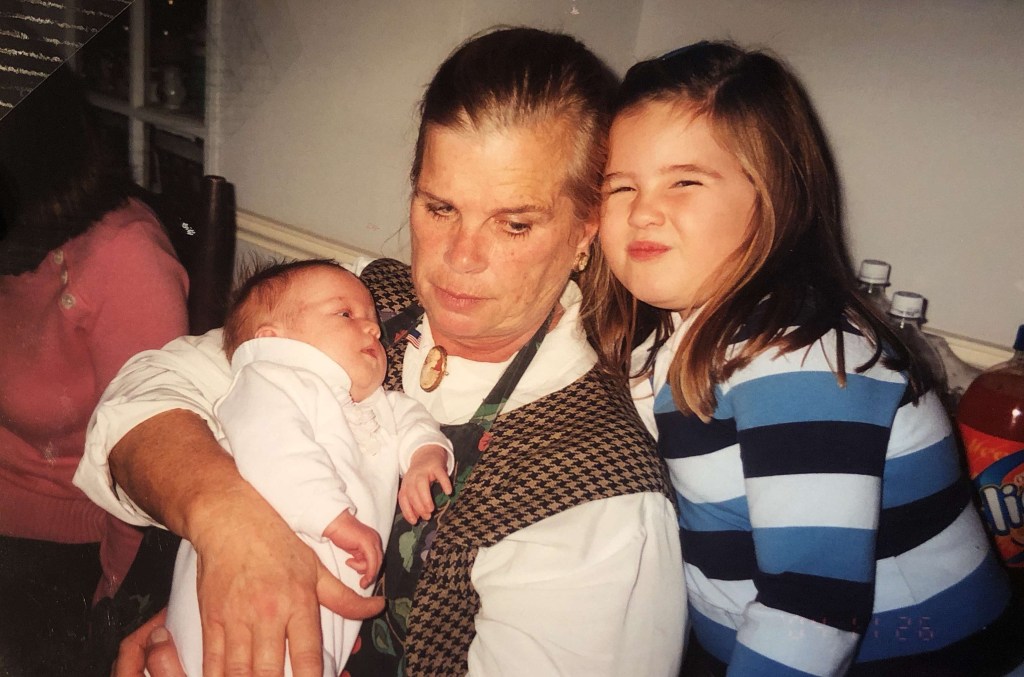
Mommom and I with my newly born, baby sister Kelly,
So, to the best baker, master chef, skilled tailor, number one listener and greatest grandmother ever…thank you. Thank you for never letting anything in your life stop you from living it, thank you for showing me what it means to be strong but caring. Thank you for the eternal memories of a happy childhood and thank you for the everlasting legacy of love you’ve left behind.
The purpose of my longform writing is to explore my grandmother’s very trying life and long fight with both breast cancer and ALS. I want to show how strong of a role model she was for me and many other members of our family and depict the legacy that she has now left behind since her death.
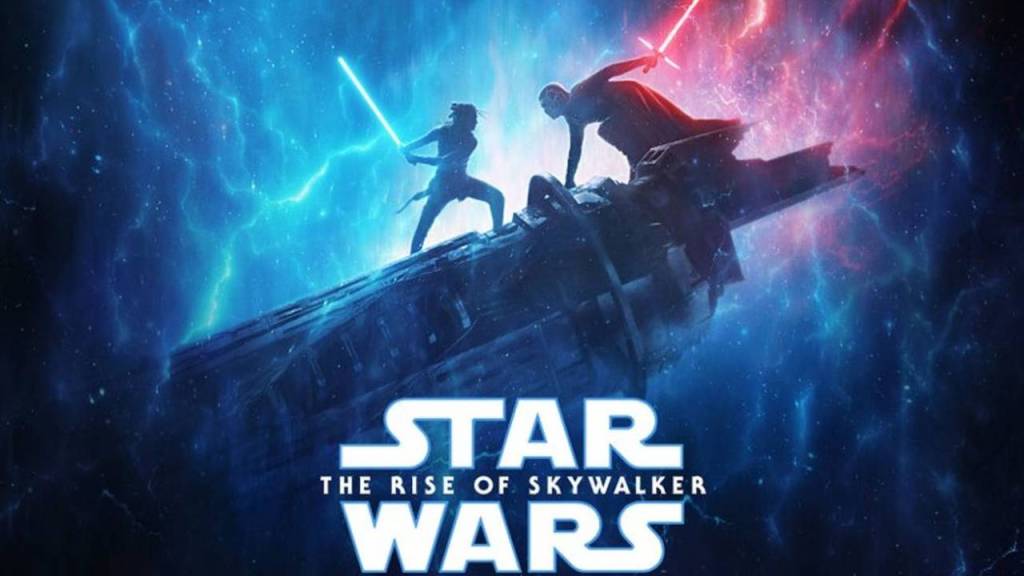
In order to access the effectiveness of longform online writing I went onto the internet and found a long form film critique and analyzed it. When looking for the correct critique to analyze I chose a film that is very divisive amongst audience members and critics and I also chose the critic that’s been doing it the longest. With that being the case I went with Roger Ebert’s website and chose the new movie “Star Wars: The Rise of Skywalker”. The author of the critique on the website is Brian Tallerico and from the beginning you can hear his voice and know his opinion.
Within Tallerico’s first paragraph you can tell that he was one of the people that found the film to be a rip off of the previous films in the franchise and very unoriginal.
“You can feel that weight of history and obligation, especially in the first hour of “Skywalker,” as Abrams delivers a movie that practically lifts off directly from “Star Wars: Episode VII – The Force Awakens,” using that film’s combination of action and fan service as a storytelling template way more than the previous movie. However, the inherent rush that came in revisiting this world four years ago is naturally lessened, replaced by something closer to desperation.” (Tallerico)
By just reading this one quote you can tell that this piece of writing has a clear attitude and that the author wasn’t going to be vague about what he thought. But it wasn’t just his opinion that he used in order to give a good and well-crafted critique of the film. Instead he used previous films and other critiques and fan observations in order to give an all-encompassing review.
He drags the film for the first half pointing out the flaws, but then also rebuttals and gives examples of things the film also did right.
“After a clunky first act that’s filled with way too many scenes of people talking about who they are, where they need to go, and what they need to do when they get there, the film finally settles into a groove with an excellent chase scene that somehow both echoes “Return of the Jedi” and “Mad Max: Fury Road.”
The critique is written in a simplistic way that is easy for anyone to understand, but the only really unfortunate part of it is that it is written for people that have seen most of the other sequel Star Wars films, because it mentions moments from other movies and previous reactions the fans had to the other film releases.
Finally in regards to the overall online layout and structure of the long form piece the website has a great layout that allows readers to easily navigate through the page and had plenty of hyperlinks with in the piece so the readers can continue to read about the same movie or the actors and crew involved. On the left side of the page there is also a running list of the most important info, quick facts and crew/cast list so that anyone who doesn’t have time to read the entire critique can get some quick info and for something that is created for online purposes, quick and fast information consumption is important.
Overall, the film review in my opinion is an effective piece of long form online writing, it accomplishes its job and the audience who it was written for can easily understand what is being explained and can easily ascertain the author’s attitude towards the film with in the first few lines written.
The audience is the most important part to any form of art. It doesn’t matter what medium or what avenue your creating in, whether it’s writing, film, art, dance, song or music, if you don’t take your audience into consideration, than you’ve missed your purpose. In order to create something that is going to be publicized and put out into the world you need to figure out who it’s for. It can’t just be written any way you want and then sloppily thrown out into the public domain. It has to be crafted carefully and thoughtfully so that it reaches and registers with the correct people.
In Ann Handley’s book titled “Everybody Writes”, she talks about the need to understand and empathize with your audience so they can have the most pleasurable time reading your written work, but I believe it applies to all forms of creation.
“Good writing (and therefore crafting good experiences) requires us to understand and have empathy for our audience, their situation, their needs and goals,” said Jonathon Colman of Facebook” (Handley 47).
Now when I say you must know your audience I’m not saying you must create a specific age range or gender that should best view your work, but in the back of any creators mind they should know who they are making something for in order to keep their work grounded. It could be your sister, your dad or yourself but there needs to be someone or some group that you believe will relate to it the most.
In William Zinsser’s book titled “On Writing Well”, Zinsser disagrees with most other author’s but I agree with him in the fact that you yourself can be your own audience.
“Who am I writing for? It’s a fundamental question, and it has a fundamental answer: You are writing for yourself. Don’t try to visualize the great mass audience. There is no such audience – every reader is a different person. Don’t try to guess what sort of thing editors want to publish or what you think the country is in the mood to read. Editors and readers don’t know what they want to read until they read it” (Zinsser 24).
While many people disagree with his opinion, I believe in it and not only for written work like books or reports, but for films, music and art too. People are able to express their own emotions and opinions in their work and it doesn’t always need to have another person in mind.
For example, I am a film major and my favorite thing to do in my down time is to watch movies, and the last two news films I watched that were also both nominated for Best Motion Picture at the Oscars this year were 1917 and Marriage Story, but also both of those films were created by their directors as passion projects for themselves. 1917 was a love note from Sam Mendes the director to his grandfather who used to tell him all these war stories. While Mendes was making this film he wasn’t thinking about what demographic would go to the theater to watch this film he was just making to commemorate his own family member. In Marriage Story, it’s a semi-autobiographical story about the director, Noah Baumbach’s own personal experience with divorce.
Both stories very personal and made pretty much for themselves, but the main thing that helped make them universal for other people to enjoy was the fact that they made everything easy to understand and broad. The author Steven Pinker would describe this is as the curse of knowledge and when you remember that other people are going to have to understand something other then you, then you’ve made something that audiences will want to engage with.
“Call it the Curse of Knowledge: a difficulty in imagining what it is like for someone else not to know something that you know… The in ability to set aside something that you know but that someone else does not know is such a pervasive affliction of the human mind that psychologists keep discovering related versions of it and giving it new names” (Pinker 59).
Going back to both of those films, the audience doesn’t struggle to relate to it, because the stories are about something much broader and more human. 1917 isn’t about a specific battle or battalion it’s about a feeling and a relation between friends and family and Marriage Story is the same thing, it not about a specific court case or how divorce works, it the toll divorce and a broken family can take on people and most people can relate to that. Both films scripts weren’t using highly sophisticated language with very niche dialogue and vocabulary It was much more down to earth, which is why it was relatable to all kind of different people.
So overall, yes I believe audience is the most important thing and any type of author or creator needs to be thinking about them in the back of their heads, but no it doesn’t have to be any kind of specific people, it can be anyone, but it needs to be someone, even if it’s yourself.
Overtime blogs have become a great way for large groups of people with similar likes and dislikes to come together and share their thoughts in a public domain. People have been able to take blogging and make it into a living. But there are many different types of blogs and not all of them are that great or informative.
Some of the most widely known blogs are mommy blogs. They’re the cute and fancy blog sites where moms can post about great products, remedies and activities their kids like. Unfortunately many of the mommy blogs are more of just mom’s trying to sell you a product or bragging about their kids accomplishments, verses them actually sharing important and useful information.
One of the first big things a successful blog should so is have a purpose. In author George Orwell’s book “Why I Write” he describes four main reasons actually worth writing for.
“Putting aside the need to earn a living, I think there are four great motives for writing, at any rate for writing prose. They exist in different degrees in every writer, and in any one writer the proportions will vary from time to time, according to the atmosphere in which he is living” (Orwell 4).
Orwell continues on and describes the four as being, sheer egoism, aesthetic enthusiasm, historical impulse and political purpose. In the two mommy blogs I have chosen to compare against each other, one of them I feel has a purpose while the other just seems like a mom writing nonsense.
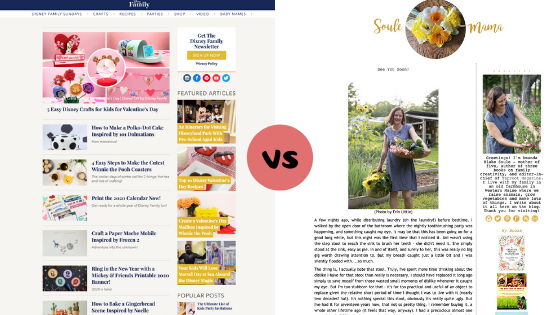
The first one is the Disney Family blog, which is run by Disney and is made for moms/all families. It has everything from blog threads to videos about fun family crafts, recipes, remedies and family activities. In my opinion the Disney blog is an example of Orwell’s aesthetic enthusiasm. It’s a blog that has stories and articles describing an experience that is valuable. The other blog on the other hand, Soulemama, is just one massive story, that jumps around, uses random euphemisms and by the end of the first entry I still had no idea, what the author was trying to articulate.
Another aspect of good verses bad blog writing is the actual structure of the content and how it’s presented.
On the Australian Government’s webpage about content structure, it says “Use short, simple paragraphs. Limit paragraphs to 2 or 3 sentences containing 1 idea. Or break text up into bullet point lists. Allow for lots of white space.”
The Disney Family blog, has different tabs, and different sections that encompass different stories. They also have videos and pictures that break up the text and within one post, they use different sub titles and bulleted lists so it’s easy to extract all the important information without having to read and re-read the same block of text. In other blog, there is no navigation, it’s just one long running lists of posts with no titles to separate the different stories. Each post is hundreds of words and the paragraphs are massive blocks that never seem to end.
The content structure web page also described making content easily readable on all devices because blogs are made for the digital audience and each person can have a variety of devices that can access the blog.
“People use a variety of devices to access government information and services. These include mobile phones, tablet devices (for example, iPads), desktop computers and laptops. Use responsive design methods to make sure users can read your content on all their devices. It can be much harder for some people with disability to use a mobile device than a desktop or laptop computer. Think about how the content will work on a mobile device first. Then think about how it will translate to a larger screen.”(Australian Government)
When you look at the Disney Blog on a phone verses a laptop, the content shifts around, but still is easy to navigate through and you don’t miss anything, but the Soulemama blog just shrinks everything so the long running blocks of text become very hard to read.
Both blogs aren’t anything life changing nor do they carry world shifting information, but by one blog just structuring the writing and content better audiences get more out of it, versus the blog that just threw text down as if they were just talking without any format or structure, which creates boring never ending text blocks that readers typically skim over or skip.
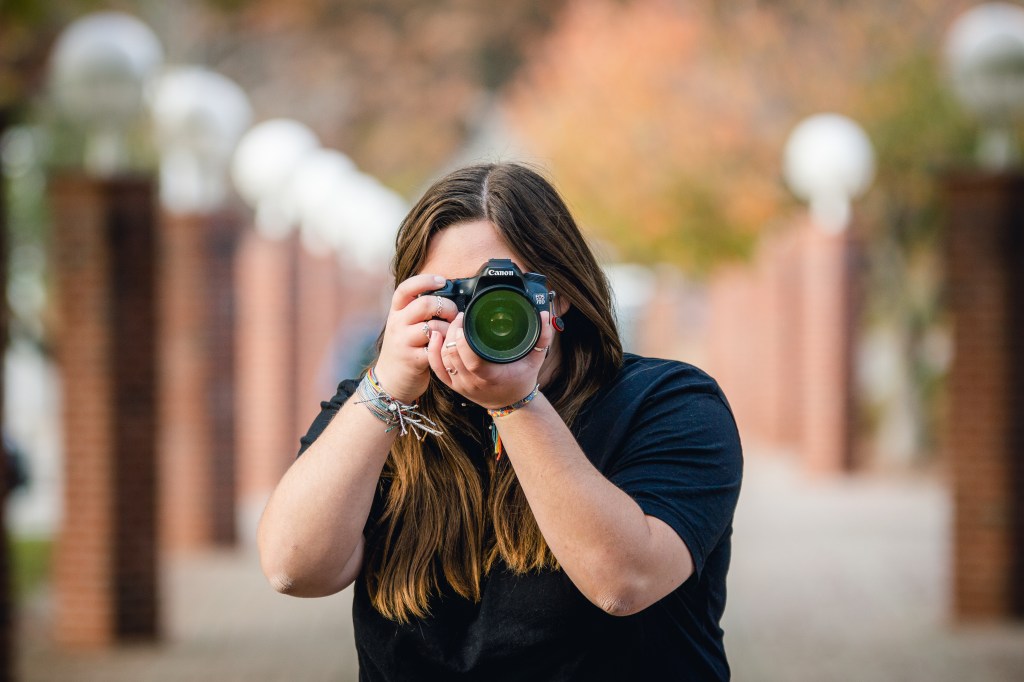
Taylor Sniffen is a young journalist and film student. She has been studying both avenues of media at Quinnipiac University for the past three years. She enjoys creating content in all forms of media, including graphic design, photography, film and journalism.
Taylor has had multiple hands on industry internships and jobs, including working for the kids television show Wonderama in New York, a small productions company called Real Art Daily in Los Angeles, ESPN in Florida and News 8 in New Haven, Connecticut. These opportunities have helped her cultivate and strengthen her creative eye and skills in leadership, organization, hands on management and writing.
Outside of studying and creating Taylor stays busy by volunteering in both the community and at her University. She plans the large scale concerts for Quinnipiac as the Mainstage Chair for the Student Programming Board and she is the Executive Producer of the school’s live broadcast comedy show, Quinnipiac Tonight.
Taylor strives to keep learning and understanding more about her industry and craft. Her goal is to graduate college this year with both of her bachelor’s degrees and continue to work towards her master’s degree, while simultaneously applying for entry level jobs within the entertainment field.







 taylorsniffen.com