
If it could have gone wrong on this set… it did.
Anyone who has ever made or attempted to make a film knows it isn’t easy. You have to have an interesting, well manicured script, a full cast and crew, raise and budget your money, create or find multiple sets, design wardrobe hair and makeup and then once you’ve captured all the lines and scenes you have to edit it all together. And if that wasn’t hard enough you’re supposed to do all of it in a certain amount of time and before all that money you raised runs out.
Six out of ten times production companies/ studios are able to deliver on their promises of a great movie thats under budget, on time and a true blockbuster. Those other times, those movies take months more than planned, take thousands of extra dollars to make and half the time are a complete bust in theaters. When this occurs the producers on set are sent into a furry.
The job of production coordinators and line producers, specifically are to keep the obstacles and issues at an all time low and to help solve those problems when they arise. They’re also supposed to be making use the money is being spent wisely and that the production crew is adhering to the pre-planned schedule. It’s tough and tiring job and it rarely ever goes smoothly. But sometimes, even after everything goes wrong on set and your months behind your goal date and thousands if not millions of dollars in debt the movie still becomes a success. That’s the story behind the classic movie Jaws made in 1975 by, at the time, rookie director, Steven Spielberg.
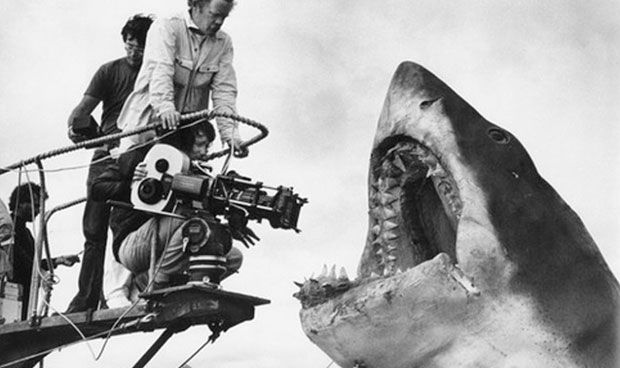
The movies harrowing past has been written about many times, including there being a full documentary made about it’s nightmarish set, but one well known blog “Den of Geek” sums up some of the biggest reasons the movie almost didn’t get made. It talks about the original budget of 3.5 million dollars quickly being thrown out the window and amounting to an ending total of about 9 million dollars, due to multiple boats flooding and needing to be remade for filming. This already started setting production back and then of course the famous shark that when first put in the water sunk right to the bottom of the ocean because no one accounted for the salt water eroding all the tubes and turbines. “Bruce worked reasonably well on dry land, but the seawater played havoc with his complex innards. His waterproof skin proved to be anything but, and the salt regularly corroded it. As David Brown, one of the producers, pointed out, Bruce also had the habit of sinking to the bottom of the sea” (Lambie).
Of course like any good director and producer they finally called it quits on wasting more time and money on an ugly and corny gimmick and instead reverted back to real film tactics to make you assume the shark was lurking with out actually seeing it. “The shark’s failure forced him to resort to other means to suggest its presence, using acting, cinematography and John Williams’ astonishing music to heighten the sense of fear. What could have been just another B-movie instead became a terrifying exercise in suspense” (Lambie).
Another film site, Mental Floss wrote an entire article about just the shark and how its malfunctions and delays actually changed the way films were thought about and released. Back in the 1970’s, the Christmas season was the time to put out popular films and massive Hollywood blockbusters were usually released in Los Angeles and New York first and then to all the other smaller cities, but because of the delays the movie wasn’t going to make it for Christmas of 1974 and instead Universal pushed it for Summer of 1975. They used the theme of the movie to their advantage and spent over $70,000 on a massive marketing campaign and decided to release the movie all over the country all at once. “Traditionally, high-profile movies opened in New York City or Los Angeles before slowly spreading to other cities and then trickling into small towns months later. Wide releases were generally reserved for duds; studios would cast a wide net to maximize ticket sales before negative word of mouth killed a film. But after the ad campaign made Jaws the summer’s can’t-miss flick, Universal went all-in on the release, and the movie opened in an unprecedented 465 theaters on June 20, 1975.” (Demain).
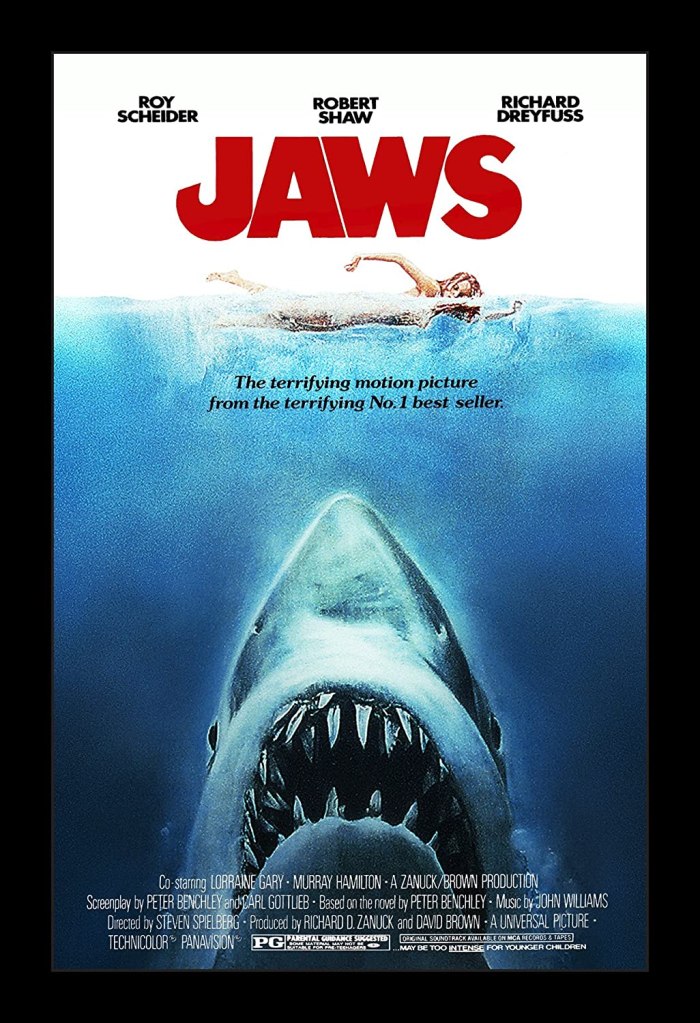
But even before production started and the shark became a nightmare of its own, things were going terribly wrong for the producing team in pre-planning The films script wasn’t finished before filming started because it traveled between 3 different writers hands and had countless re-writes to make the lines funnier and the characters more likable then the original book at written them. Then casting was dreadful. They couldn’t seem to land any big name Hollywood actors for months. People kept turning them down or just didn’t fit Spielberg’s image of what they character should be like.
“Spielberg recalled the stress of casting the movie’s three main parts. “It took six months to cast Quint,” Spielberg revealed, admitting he had been turned down by Lee Marvin and Sterling Hayden before producer David Brown suggested the actor who finally got the part, Robert Shaw, with whom Brown had worked on The Sting” (Scott).
Overall the movie’s process still goes down as one of the hardest and most dismal moments in Spielberg’s and producers, Brown and Zanuck’s careers, but by being persistent, level headed and having strong film techniques to fall back and relay on the team created the #1 selling movie of 1975 and the highest grossing film of all time, (that is until Spielberg’s friend George Lucas came along two years later and released a small film called “Star Wars”). This film is the perfect example of why planning ahead of things is so impart and even after you plan and every thing goes to hell, you need to continue to just keep your head down and continue to work until someone physically stops you from doing so. The film was roughly 5.5 million dollars over budget and took triple the amount of time to film, but in the end they made a hit.
 taylorsniffen.com