
Storytelling & Storyboarding:
Storytelling:
Whether you’re animating something or writing something you’re telling a story. This means you have to think through and plan what you’re putting together. In the Animated Storytelling book, storytelling usually follows a 3 act structure and. Act 1 is where you set up the characters, setting and main conflict, Act 2 is where the main character tries to overcome the problem and ask more questions about the issue, but doesn’t succeed quite yet. Finally in Act 3 it kicks off with the main climax and then the solution and resolution.
There are many other ways to tell a story. Like the difference between a character based animation and an information based animation. Creators also don’t have to follow the 3 act structure and can put their own creative spin on it using nonlinear story structures, like the book ending or the full circle ending, ending where you started. Or my personal favorite is the puzzle, which keeps audiences in the dark until the very end, which warps everything up and reveals everything nicely.
Storyboarding:
Many people feel this step when it comes to animating, filming or any type of storytelling is useless, but in the end, it’s one of the most important parts. It helps you figure out your timing, your shot composition and helps you really hone in on the most interesting part of the shot. After reading the entire section on Storyboarding, I found many things repetitive from being a film major, like the rule of 3rds, directional, spatial and temporal continuity and staging, but the one thing that stuck out was actually timing out the animation. In a film you usually don’t have a cut off time, but for PSAs or short animated stories you might have to fit into a tight commercial space.
Cinemagraph Inspiration:
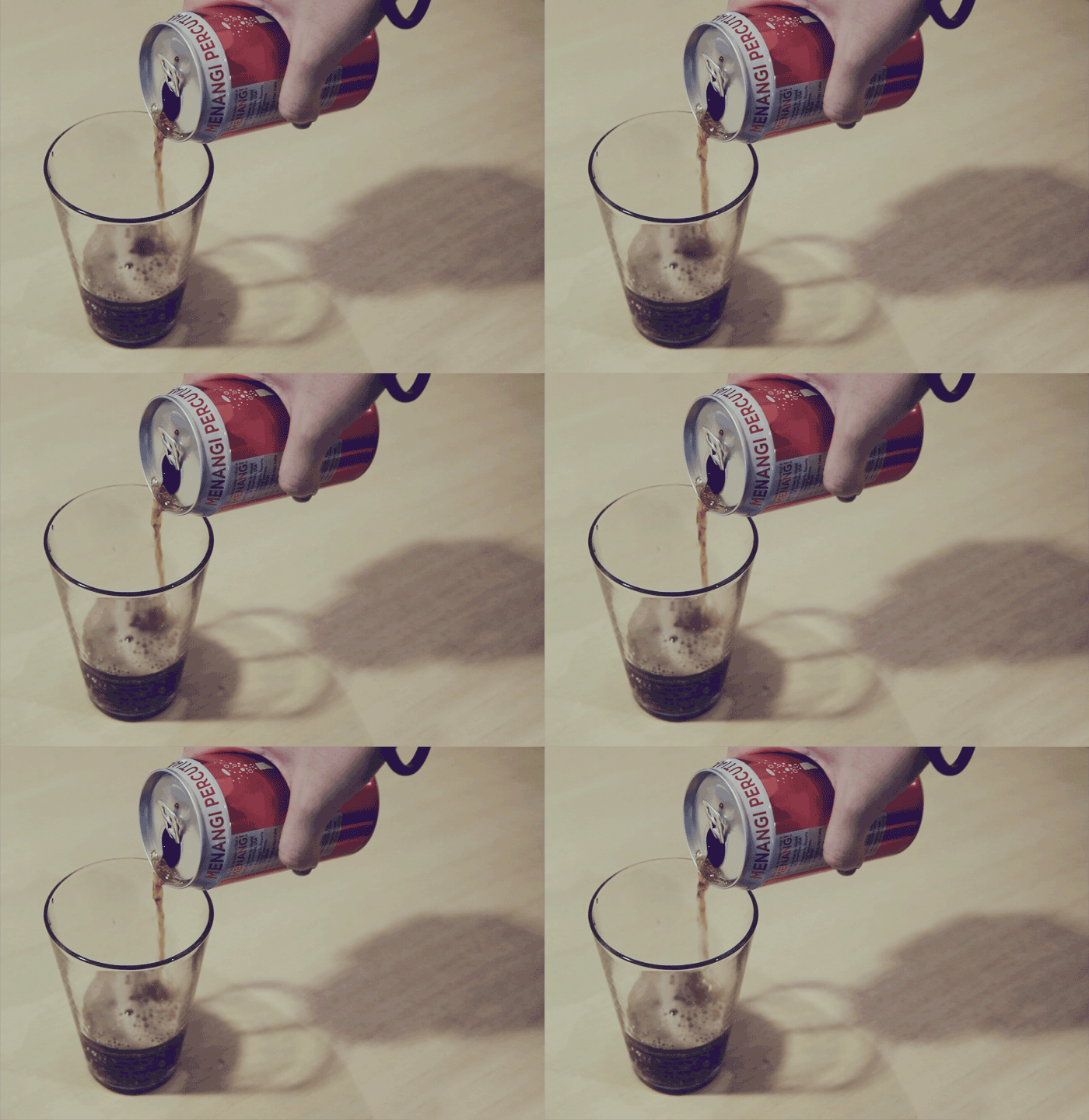
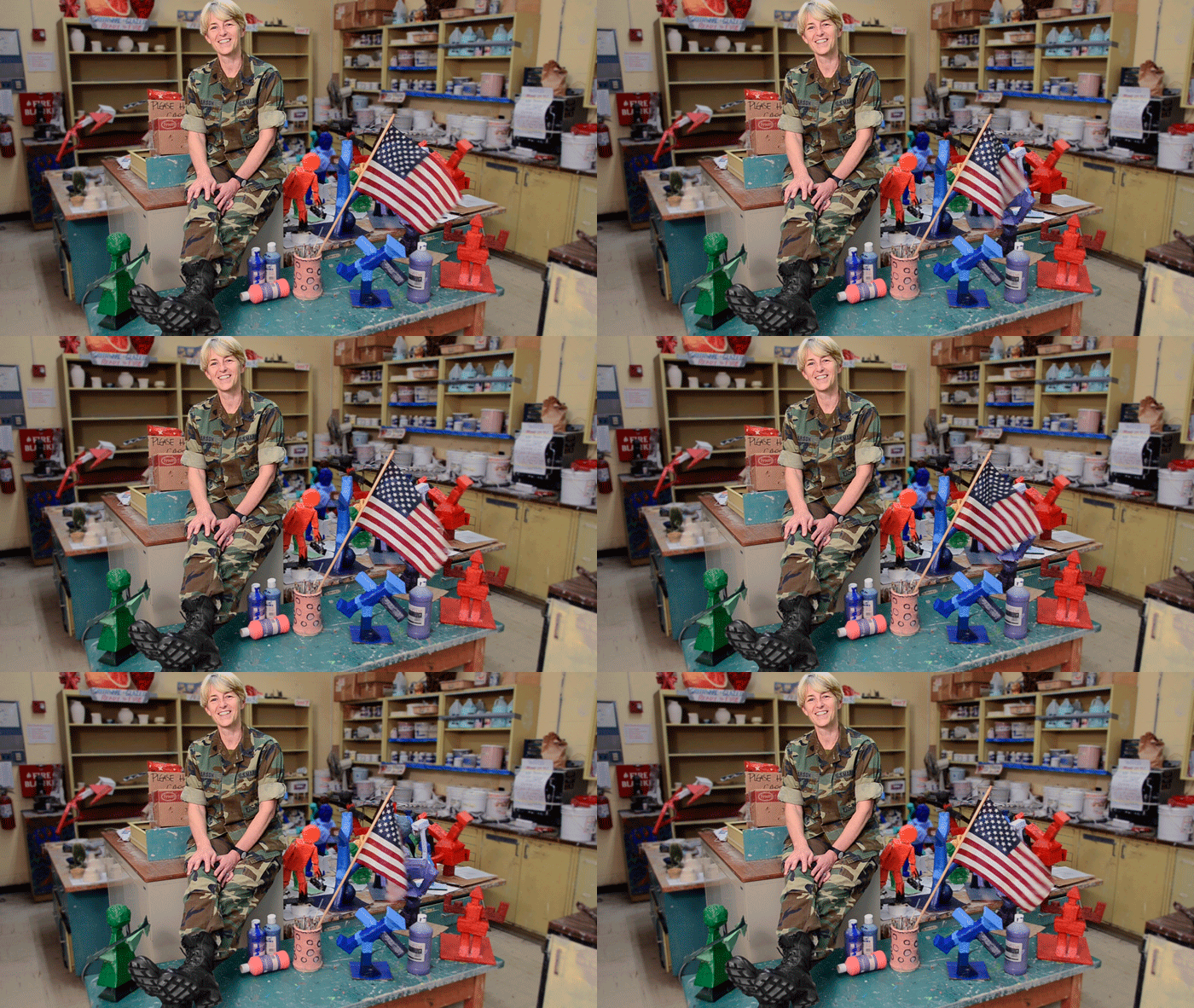

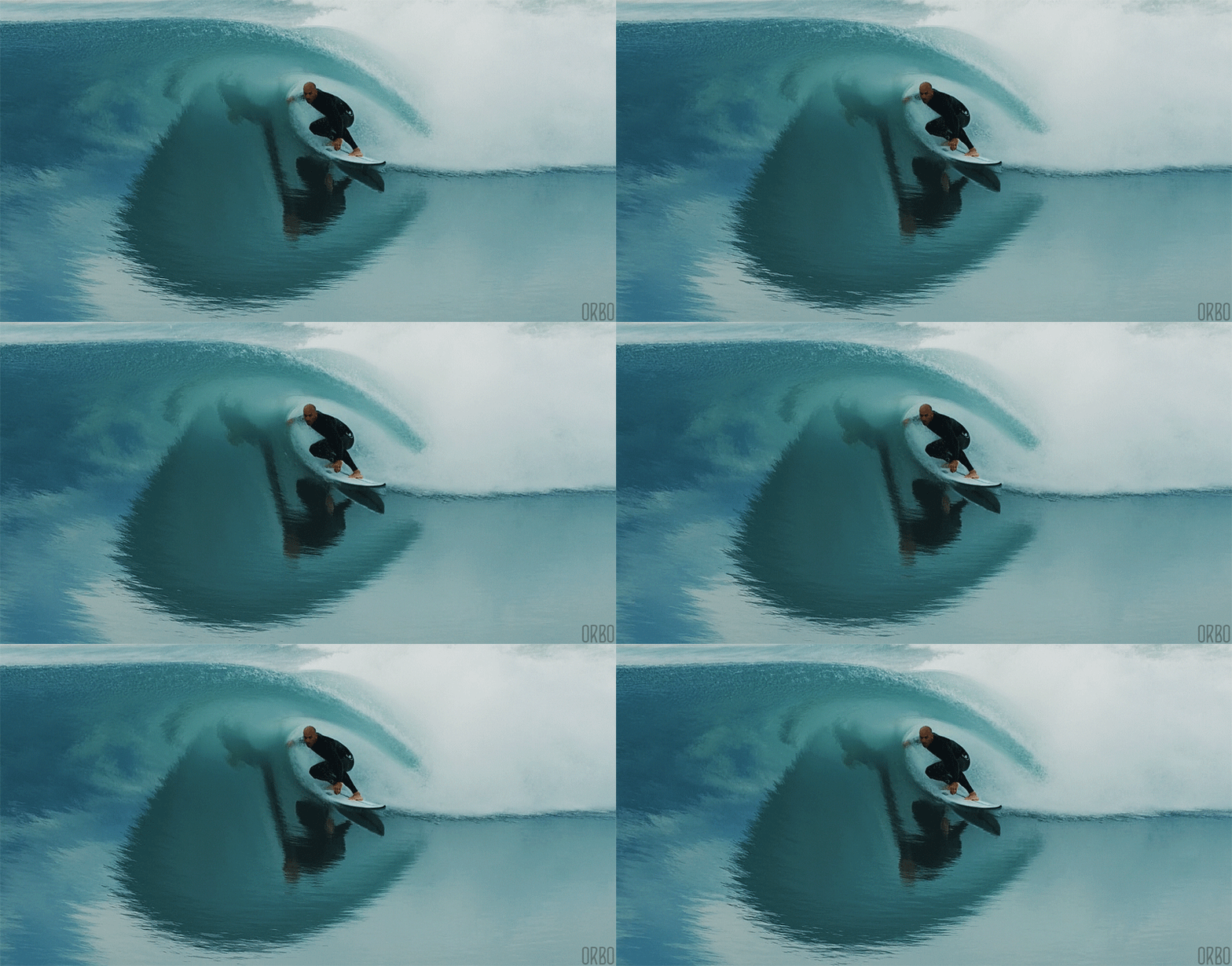
- The soda pouring cinemagraph is what inspired the wine pouring one that I created. I loved the fact that the drink pour seamlessly fades into the frozen pooling of the soda.
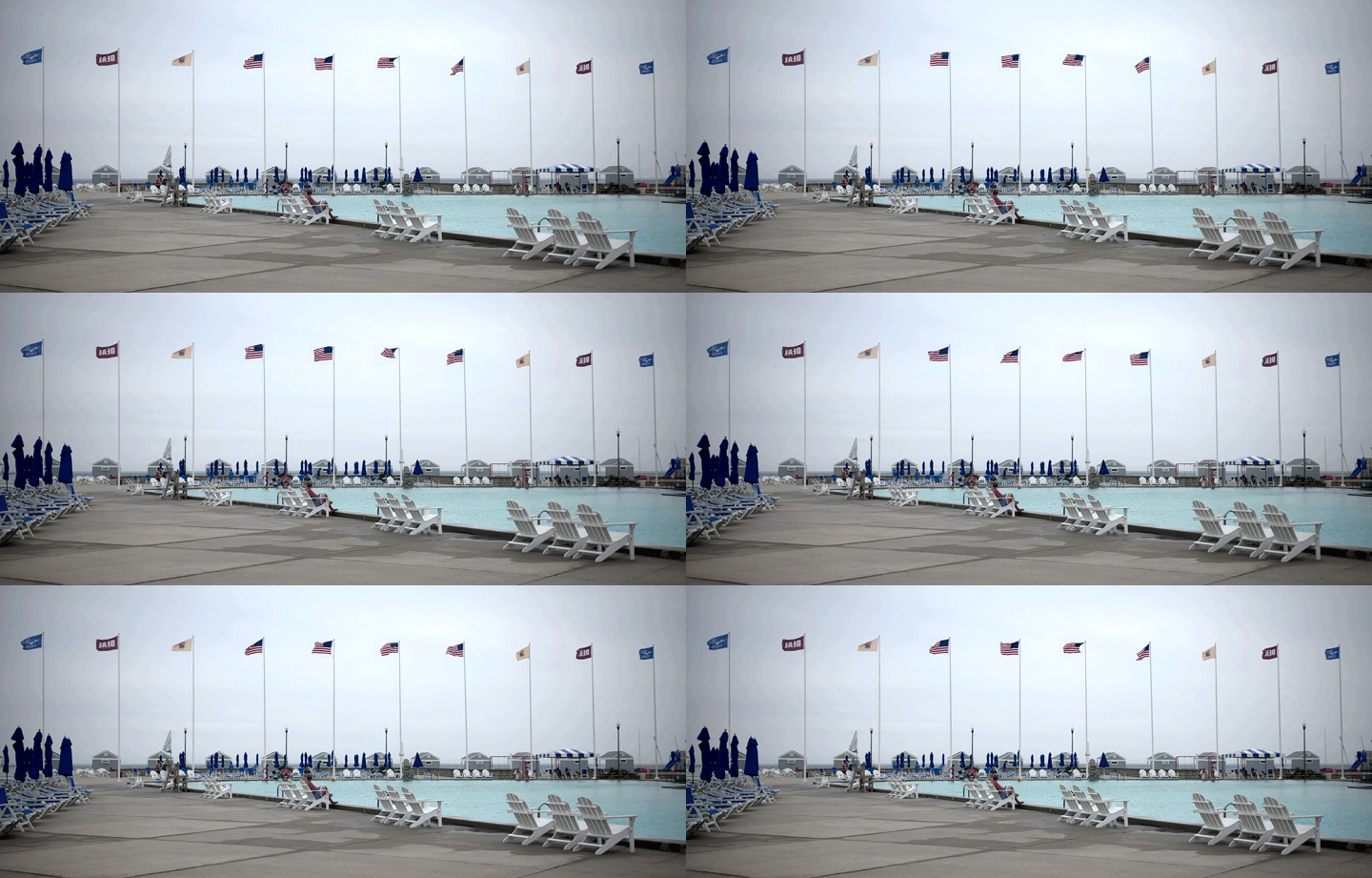
- The second gif with the military women and the flag inspired me to make the second gif with all 10 flags from my beach club. The idea behind having a flag blowing means there’s wind but I love that nothing else is being effect by it.
- The spoon pouring syrup onto the waffles is so pretty and the fade between the full drip back to the start is so seamless that I don’t even pick it up sometimes.
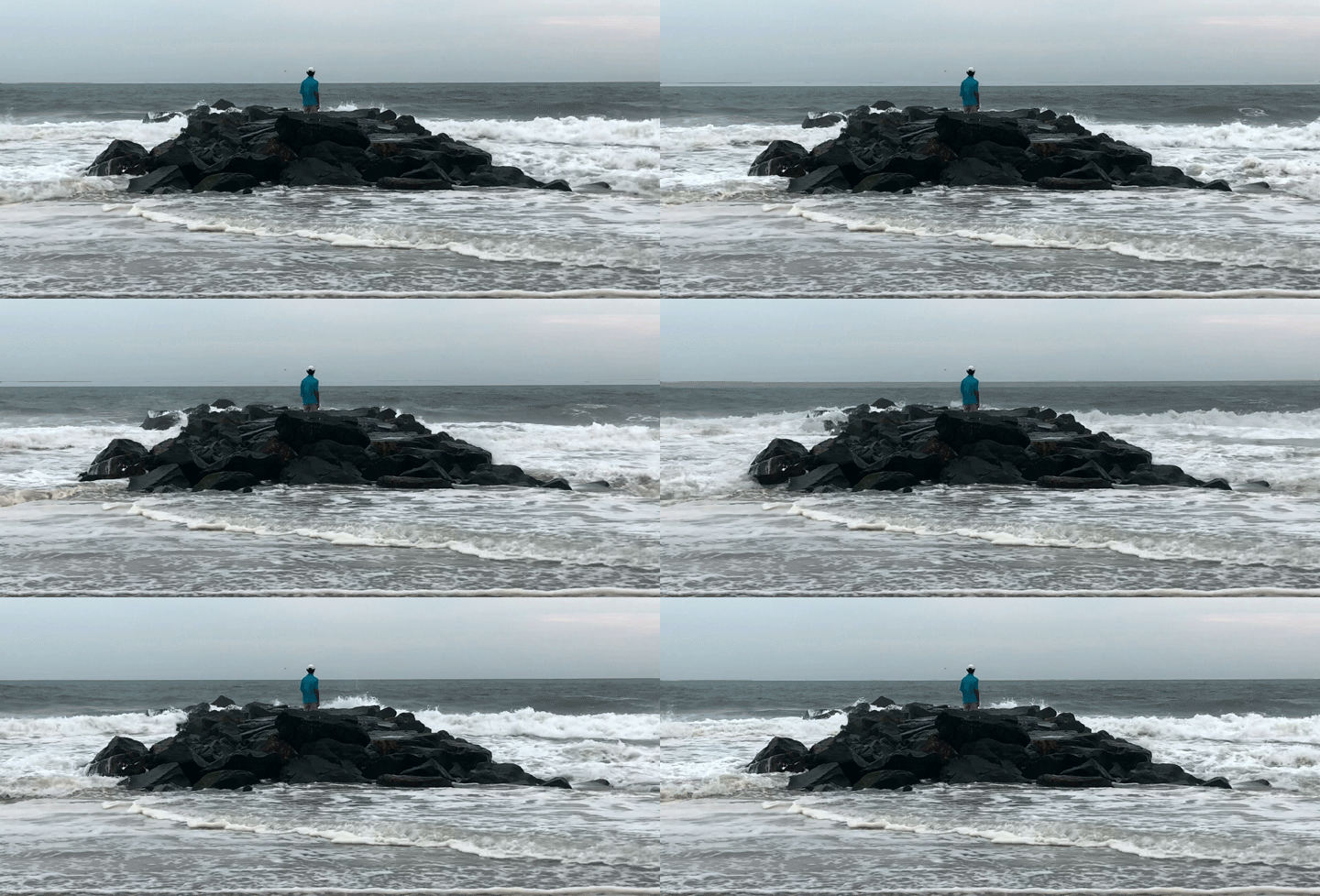
- and 5. Both cinemagraphs inspired me to make my final ocean gif. Seeing just the motion of the ocean continuing to loop is so calming and mesmerizing.

My Cinemagraphs:
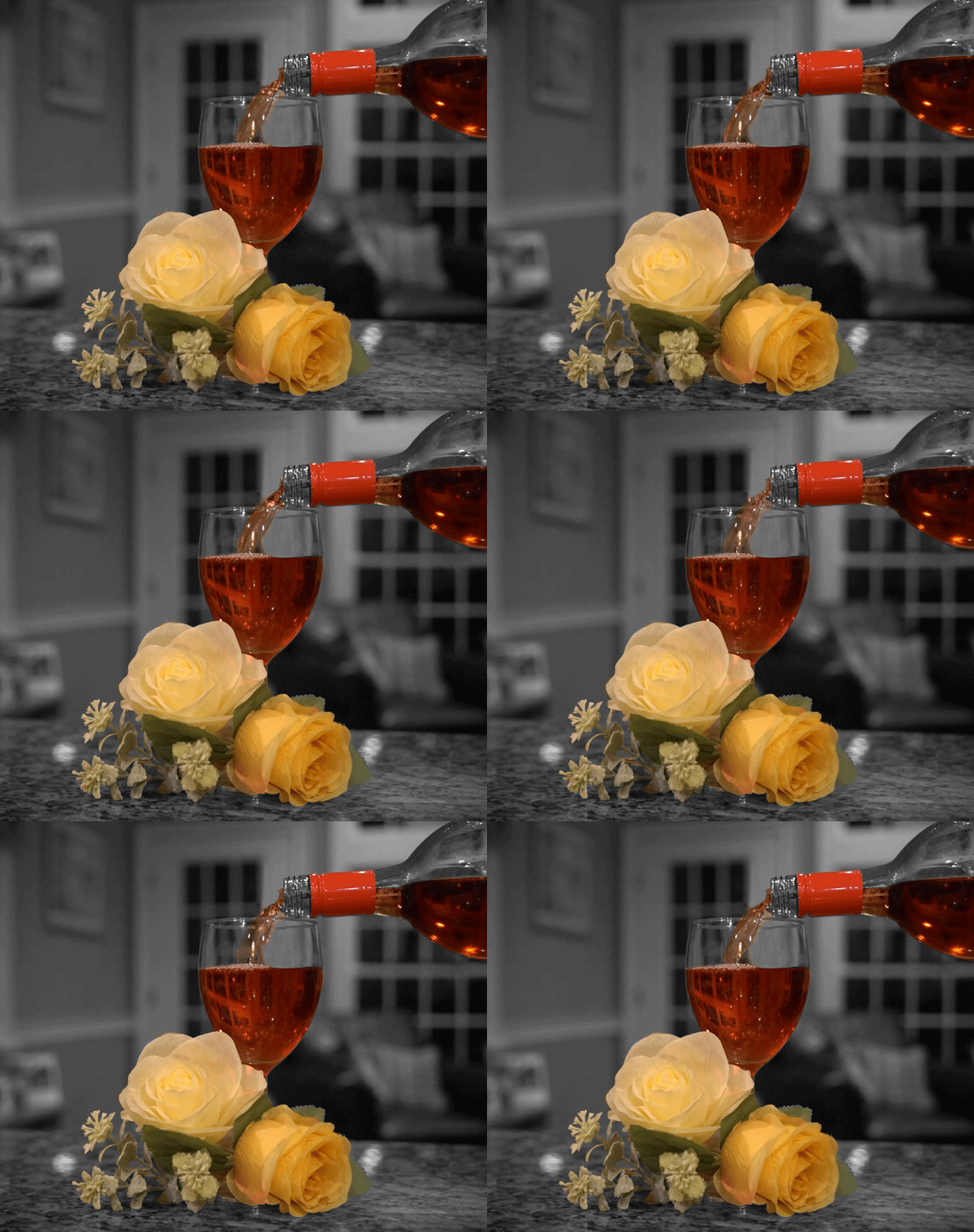
For this first cinemagraph I chose to do it in Photoshop. In the past i have made cinemagraphs in Photoshop so this wasn’t super new to me, but after filming my clip I did struggle matching the pouring of the wine up well enough so that there isn’t a major difference in the loop. After I finished creating the cinemagraph I chose to play with a little bit of coloring and found that the yellow and red were so vibrant that I didn’t want them to be eclipsed by the background color.
For my second cinemagraph I used Adobe After Effects, which I had used the software many times before this but not for this exact reason, and at first I was highly frustrated trying to cut out the sections of the video I wanted to move, and it wasn’t really working because the flags moved so much in the wind, but eventually ZI found the right amount to cut out so you didn’t see anything else move. The only other issue is that even after feathering out the mask and trying to color match you can see a slight difference in the sky color around the flags because of the clouds in the sky. One huge thing I would change about this is I wish there were more people on the pool deck so the photo looked more frozen, but unfortunately the entire week was kind of dark and gloomy so the beach club was never super packed.
For my final cinemagrph I went back to Photoshop because I felt more comfortable with this software and made this cinemagraph with one of my coworkers standing on the jetty. The hardest part on this one was getting the waves to move, but not Sean and then picking what part of the waves should move and what shouldn’t. In the end, I think I should go back and make a reverse of this one and see what it looks like if only the front half of the picture moved and the big wave in the back was frozen.
 taylorsniffen.com